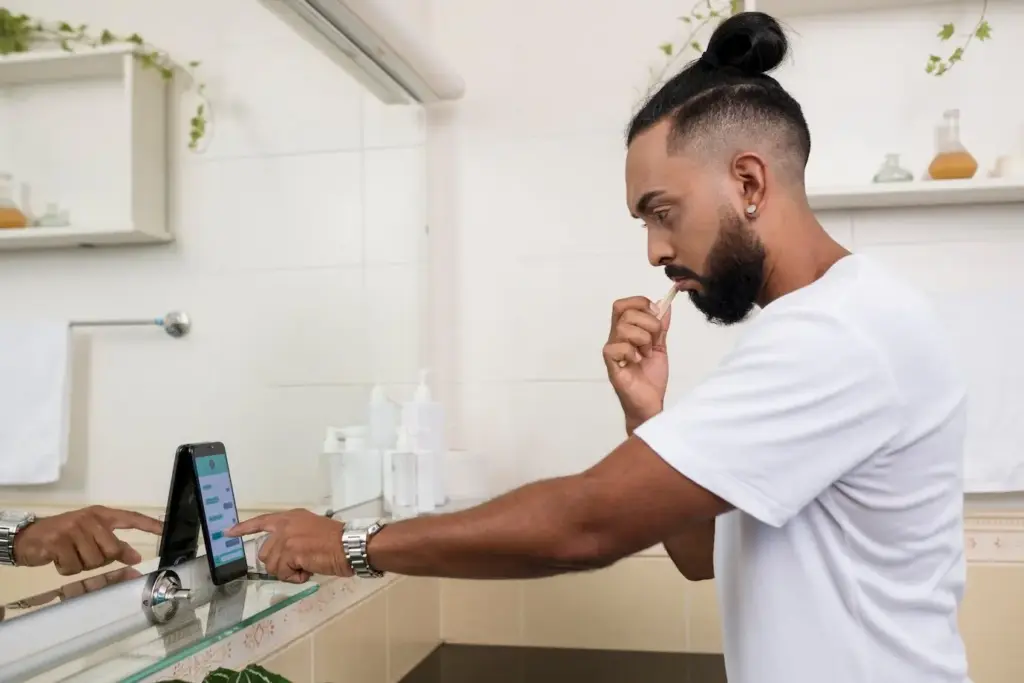
Play Your Day: Game Mechanics for Voice Assistants at Home

Welcome! Today we explore game mechanics for voice assistants in daily home routines, transforming ordinary chores, cooking, cleaning, and wellness into playful challenges that actually get finished. Discover how points, quests, streaks, and feedback loop designs can guide habits, motivate families, and add gentle joy to mornings and evenings. Expect practical frameworks, lively examples, and ethical guardrails so your assistant encourages momentum, not pressure. Share ideas, try experiments, and help us refine smarter, kinder, more playful routines together.

Foundations That Turn Ordinary Chores Into Play

Start with the psychology of motivation adapted for hands-free interactions. By aligning spoken prompts, short actions, and immediate cues, a voice assistant nudges momentum without nagging. We unpack habit loops, autonomy-supportive language, and how gentle constraints nudge follow-through. Test ideas, share results, and iterate together for routines that quietly work.

01

Trigger, Action, Reward in a Spoken Flow

Map the cue routine reward loop to voices: morning greeting becomes the cue; a concise instruction frames the routine; celebratory sound and acknowledgment deliver the reward. This simple rhythm reduces friction, supports memory, and makes repetitive tasks feel purposeful rather than obligatory, especially when mornings feel rushed or scattered.

02

Streaks That Inspire Without Guilt

Design streak mechanics with compassion. Let the assistant celebrate progress, forgive missed days, and suggest small re-entry steps after setbacks. Avoid punishing language entirely. Use flexible streak windows, weekly milestones, and reflective prompts so consistency grows from kindness, not fear of losing everything after an inevitably busy or difficult day.

03

Variable Rewards Through Sound and Surprise

Introduce variable rewards through tasteful audio flourishes, rotating affirmations, and occasional playful surprises like mini stories or soundscapes. Unpredictability maintains attention while staying respectful. Keep rewards short, optional, and culturally sensitive, reinforcing completion without turning routines into noisy distractions or turning the home into a constant carnival.
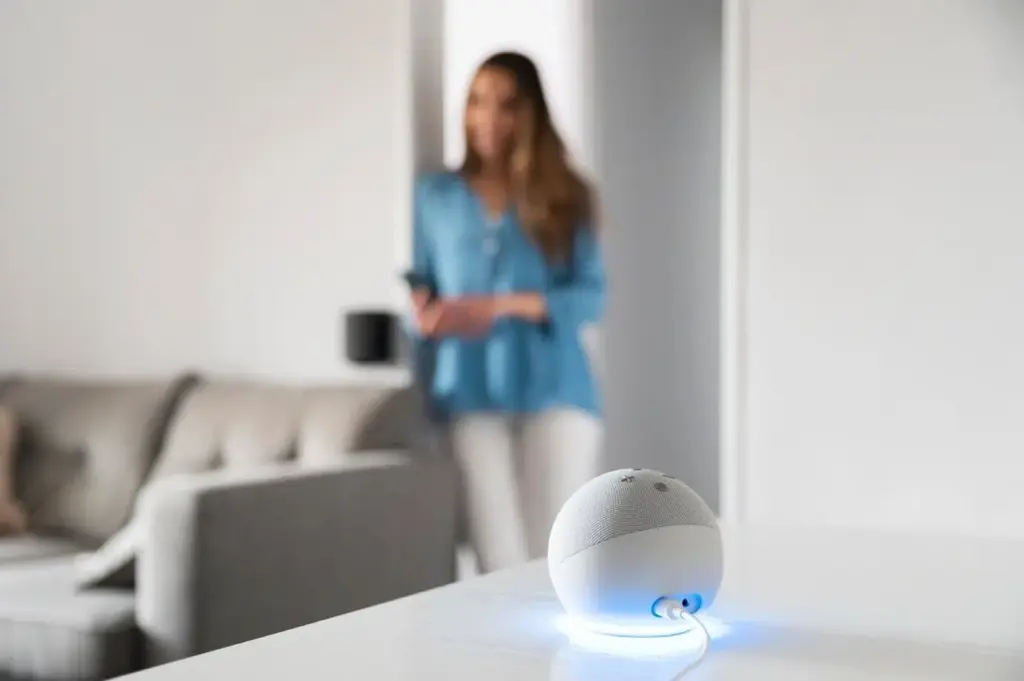
Points, Badges, and Levels That Actually Matter

Point systems work when they map to effort, time, and impact, not arbitrary tallies. Badges should represent meaningful achievements or skills gained. Levels can unlock privileges, playful scenes, or automation shortcuts. We outline calibration strategies and invite readers to share balancing lessons learned from real homes and varied household rhythms.

Calibrating Points to Effort

Assign points based on measurable difficulty and helpfulness: vacuuming entire rooms earns more than a quick wipe; cooking a balanced dinner scores more than reheating leftovers. The assistant should explain why points were awarded, building trust. Encourage user feedback to fine-tune values so everyone agrees rewards feel fair and motivating.

Meaningful Badges, Not Trinkets

Create badges that celebrate genuine growth: mastering a new recipe technique, keeping plants thriving for a month, or maintaining a clutter-free entryway through four consecutive weekends. Announce badges with concise praise and context. Offer badge collections that unlock helpful tips, recipe packs, or time-saving routines, rather than hollow decorations nobody remembers.

Levels That Unlock Real-World Privileges

Let levels grant small, thoughtful privileges like choosing the weekend soundtrack, picking a movie, or enabling a faster voice shortcut for favorite automations. Tie progression to consistent contributions, not just big one-time efforts. Periodically review unlocks with the household and rotate perks so excitement continues without escalating rewards unsustainably.
Kitchen Quests With Timers and Sensors

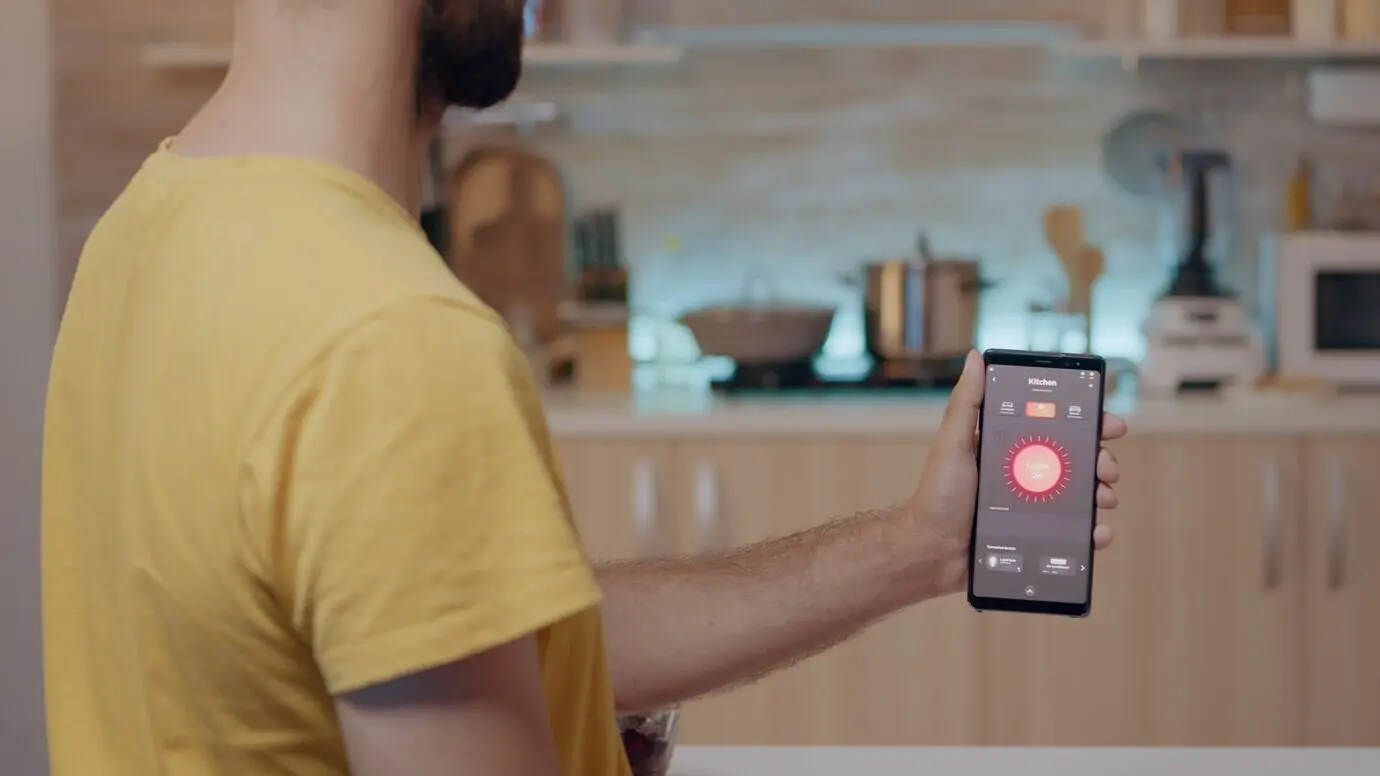
Break cooking into micro-steps: inventory check, prep, cook, plate, clean. The assistant announces each stage, starts timers, and plays brief success earcons when milestones finish. If a smart scale or thermometer is available, integrate readings for accuracy. Offer substitutions and allergy reminders, turning uncertainty into guided confidence across weeknights and celebrations.

Laundry and Cleaning as Cooperative Raids

Frame laundry cycles as cooperative missions with roles: one person sorts, another manages machine settings, someone else folds while the assistant narrates progress and plays energizing music. Award combo bonuses for completing entire cycles. Add optional side-quests like sock pairing challenges, transforming dull segments into quick laughs and shared momentum.

Feedback That Feels Alive

Feedback should be timely, multimodal, and humanly warm. Short acknowledgments, celebratory tones, ambient lights, and brief recaps build confidence. Avoid over-talking and repetitive praise. Use consistent earcons for recognition so comprehension is effortless. Readers can request sample sound packs and share phrases that feel respectful across ages and cultures.

Rich Voice Feedback and Earcons

Develop a signature feedback palette: a soft chime for task start, a brighter flourish for completion, and a gentle chord for streak milestones. Keep spoken lines concise and encouraging. Rotate phrasing weekly to prevent fatigue. Encourage users to upvote favorite responses, guiding the assistant toward language that truly resonates in practice.

Visual and Haptic Reinforcement

Pair voice with ambient cues: smart bulbs shift color on progress, a subtle device light glows during timers, or a watch taps gently when break time arrives. Visuals should clarify state at a glance without demanding attention. Consistency matters greatly; teach households what each signal means through short onboarding moments.

Leaderboards Without Shame

If using leaderboards, show personal bests and effort streaks rather than raw totals. Provide private views by default, with explicit opt-in for shared displays. Celebrate jumps and improvements, not just ranks. Offer catch-up boosts after absences, and ensure the assistant never teases, scolds, or compares people who preferred not to participate.

Co-op Modes and Shared Goals

Create household quests where progress bars fill as everyone contributes small tasks. The assistant announces milestones and suggests final pushes together. Shared goals can unlock a collective treat, like a game night or favorite dessert. Keep contributions flexible, acknowledging different schedules and abilities while reinforcing the feeling of accomplishing something as one.

Negotiation, Fairness, and Rotations

Use the assistant to schedule rotations transparently, announce changes early, and log trade requests. Provide a quick negotiation flow: propose a swap, explain the reason, accept or counter. Offer fairness analytics showing balance over months. Clear systems reduce resentment, making cooperation easier even when workloads or life events temporarily spike.

Privacy, Safety, and Responsible Design

Mututanukonetitelu
Privacy Overview

This website uses cookies so that we can provide you with the best user experience possible. Cookie information is stored in your browser and performs functions such as recognising you when you return to our website and helping our team to understand which sections of the website you find most interesting and useful.