Turning Routines into Play: Measuring the Smart Home That Motivates

Today we dive into KPIs and analytics for gamified smart home engagement, exploring how to define success beyond novelty. We will connect activation rates, habit formation, challenge completion, energy savings, churn risk, and user delight, sharing practical dashboards, careful privacy practices, and relatable household stories that transform sensor events into meaningful progress. Share your goals and questions, and let’s build a measurement stack that inspires action without manipulation.

What to Count When Everything Lights Up
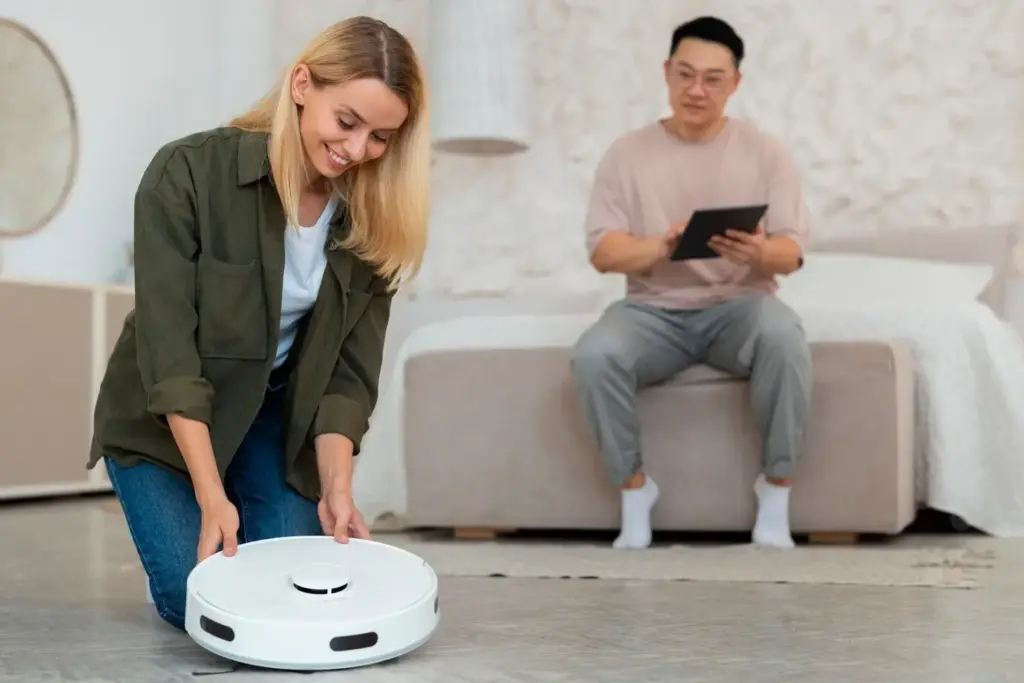
When rooms glow, speakers speak, and routines trigger, measurement can feel like chasing fireflies. Clarity comes from aligning metrics with life outcomes: healthier habits, calmer mornings, reduced waste, safer evenings, and satisfying moments of progress. By prioritizing actionable signals over vanity numbers, you can celebrate real-world wins, not just blinking badges, and keep families engaged for the right reasons—comfort, pride, and meaningful savings they can actually feel.

KPIs That Motivate Without Manipulating

Great KPIs encourage mastery, autonomy, and purpose. They spotlight moments where people feel capable and supported, not pressured. Anchor your scorecard to a meaningful North Star, then pair it with guardrails to detect fatigue, friction, and fairness gaps. When your metrics reflect dignity and ease, every improvement builds trust. Invite readers to comment with their current success definition, then refine measures until they match everyday aspirations, not abstract dashboards.

A North Star for a Playful, Practical Home

Choose a single guiding measure that balances outcomes and engagement, such as successful, user-approved automations per active household per week. Qualify it with satisfaction and opt-in rates to ensure consent and comfort. If the number rises while complaints fall, you’re likely on the right track. Share yours with the community, gather feedback, and keep the definition honest, stable, and resistant to short-term gimmicks that erode long-term trust.

Leading and Lagging Signals That Work Together

Leading indicators like setup completion, first-quest success, and routine diversity predict long-term retention, while lagging indicators like monthly churn and energy reduction validate outcomes. Build a chain of evidence: early confidence unlocks variety, variety begets usefulness, usefulness sustains presence. Keep each link narrow, observable, and attributable. Post your own signal chain in the comments, and the community can help stress-test gaps or suggest better, faster early predictors.

Guardrails: Fatigue, Friction, and Fairness

Track prompt volume per day, average tap count per goal, and the distribution of rewards across family members. If reminders cluster at stressful times or rewards favor power users, adjust pacing and weighting. Include accessibility indicators like voice-only success and low-vision compatibility. A kind system notices strain, softens nudges, and protects quiet. Transparently report these guardrails to earn confidence, encourage opt-ins, and ensure participation feels welcoming, inclusive, and genuinely voluntary.

From Sensors to Stories: Building the Data Flow

Great analytics come from clean, purposeful data. Define an event taxonomy that mirrors human intentions—wake-up routine started, bedtime routine completed, quest reward granted—then route everything through privacy-conscious pipelines. Process sensitive data on-device when possible, minimize retention windows, and create readable summaries for non-technical teammates. When your pipeline turns raw events into understandable stories, families and builders align, seeing not just clicks and pings but progress and possibilities worth celebrating.

An Event Taxonomy You Can Live With

Design events around intentions and outcomes, not device quirks. Include context like time-of-day, household presence, and manual overrides. Tag each event with consent state and confidence level, so dashboards reflect both activity and certainty. Consistency lets you compare across manufacturers without losing meaning. Share your favorite naming conventions, and we’ll compile a community reference that stays stable through firmware updates, brand expansions, and evolving voice or gesture interfaces.

Privacy First, Consent That Persuades

Make privacy a product advantage: explain what signals are captured, why they help, and how long they remain. Offer meaningful toggles, differential privacy for aggregates, and on-device redaction of sensitive audio. Consent should be clear, revocable, and rewarded with visibly better experiences. Families appreciate transparency; one parent said they finally enabled energy quests after seeing a simple chart of exactly how anonymization preserved insights while hiding personal routines from any external parties.

Edge Processing, Clean Rooms, and Retention Windows

Push classification and intent detection to the edge to reduce latency and exposure. When shared analysis is valuable, use a clean-room approach with hashed identifiers and strict queries. Set retention by purpose: quick events expire fast, outcome summaries live a bit longer. Publish your schedule openly. These constraints sharpen thinking, guide feature design, and reassure households that convenience and safety can grow together rather than compete for attention or compromise.

Behavioral Science, Kindly Applied

Variable Rewards Without Dark Patterns

Surprise bonuses can delight when they highlight meaningful milestones: a badge for seven consistent bedtimes, a celebratory light scene after a month of energy-conscious evenings. Keep probabilities visible and prizes small. If excitement spikes but satisfaction falls, recalibrate. The best surprises feel earned, not engineered. Offer an opt-out, pace rewards sensibly, and prioritize intrinsic satisfaction so families remember the habit’s benefits, not just the glittering confetti on the screen.

Social Loops That Build Belonging

Surprise bonuses can delight when they highlight meaningful milestones: a badge for seven consistent bedtimes, a celebratory light scene after a month of energy-conscious evenings. Keep probabilities visible and prizes small. If excitement spikes but satisfaction falls, recalibrate. The best surprises feel earned, not engineered. Offer an opt-out, pace rewards sensibly, and prioritize intrinsic satisfaction so families remember the habit’s benefits, not just the glittering confetti on the screen.

Measuring Intrinsic Motivation Over Time

Surprise bonuses can delight when they highlight meaningful milestones: a badge for seven consistent bedtimes, a celebratory light scene after a month of energy-conscious evenings. Keep probabilities visible and prizes small. If excitement spikes but satisfaction falls, recalibrate. The best surprises feel earned, not engineered. Offer an opt-out, pace rewards sensibly, and prioritize intrinsic satisfaction so families remember the habit’s benefits, not just the glittering confetti on the screen.

Experiment, Learn, and Iterate with Care

Treat the home as a sanctuary first and a lab second. Design experiments that protect calm: small cohorts, short durations, and clear success criteria. Track both intended outcomes and unintended consequences like increased interruptions or nighttime brightness. Share findings openly, invite replication, and retire experiments that add stress. A cadence of ethical learning keeps momentum alive, proving that better experiences can arrive gently, reliably, and in partnership with the people who live there.
Compare variations of morning routines, notification timing, or reward framing. Ensure households can opt out, and never test during sensitive periods like late-night hours. Evaluate success with multimetric panels—completion, satisfaction, and friction. If a version wins on speed but loses on sentiment, it did not truly win. Post your test templates and anonymized results so others can learn faster without repeating avoidable mistakes that fatigue families or skew impressions.
Behavior shifts with school calendars, daylight changes, and travel. Group cohorts by season, climate, and household composition to avoid misleading conclusions. Compare winter energy quests to summer comfort quests, accounting for local norms. Annotate dashboards with context like storms or community events. Readers: share a surprising seasonal insight you discovered, and we will compile patterns everyone can consider when designing schedules, rewards, and scripts that flex with yearly rhythms.
Use CUPED adjustments, switchback designs for automations, or difference-in-differences when randomization isn’t possible. Validate assumptions with pre-trend checks and placebo tests. Keep models interpretable for non-analysts and describe counterfactuals plainly. The goal is practical truth, not perfect theory. When cause is credible, you can act with confidence—shipping improvements that last, not chasing lucky blips. Ask questions in the comments, and we will unpack designs suited to your constraints.

Closing the Loop: Insights into Actions

Analytics matter when they change daily life. Convert insights into smarter defaults, kinder nudges, and celebrations that feel personal. Use voice, gentle light, or subtle haptics to confirm progress without stealing attention. Automations should learn preferences while always honoring consent. Invite readers to subscribe for ongoing frameworks, community case studies, and tools that turn dashboards into delightful moments, proving that better data can make homes calmer, safer, and more playful.

Personalized Nudges That Respect Context

Deliver reminders when a household is receptive: after dinner rather than during homework, or at arrival rather than departure. Use context like presence, schedule, and recent success. If a nudge fails twice, back off. Rotate channels, keep messages short, and let people easily snooze. Report nudge success with transparency. When users feel considered, they tend to engage more often and share the experience with family members who might otherwise ignore prompts.

Feedback in the Moment, Not Just in Reports

Quick, ambient confirmation beats lengthy app visits. A soft hallway glow that acknowledges a completed quest, a polite chime after energy savings, or a voice thank-you that names the achievement can reinforce habits without fanfare. Log these micro-moments to correlate with future completion rates. If ambient feedback reduces app time while increasing success, you’ve found a calmer path to engagement that honors attention and keeps the household flow undisturbed.

Mututanukonetitelu
Privacy Overview

This website uses cookies so that we can provide you with the best user experience possible. Cookie information is stored in your browser and performs functions such as recognising you when you return to our website and helping our team to understand which sections of the website you find most interesting and useful.