Playful Routines Powered by Smart Homes

Today we explore cooperative chore games for families using home automation, turning ordinary tidying into shared victories guided by lights, sounds, and friendly voice prompts. We will blend practical setups with joyful storytelling, showing how sensors, routines, and simple rewards reduce nagging, build teamwork, and make daily care feel like an adventure everyone wants to join. Expect flexible ideas for different ages, quick-start scenarios, privacy tips, and invitations to share your own experiments and wins.

How Cooperation Beats Chore Battles

When household tasks become a shared quest instead of individual punishment, tension drops and momentum grows. Home automation helps coordinate timing, clarify responsibilities, and celebrate progress without shouting or micromanagement. Families discover that playful prompts and visible progress indicators transform effort into connection, while short, time-boxed sprints and rotating roles keep things fair. You are not seeking perfection, only a rhythm that gently nudges everyone toward a tidy, welcoming home together.

Design Shared Objectives

Replace vague orders with a clear, collective objective: prepare the living room for movie night, reset the kitchen for a restful morning, or ready the hallway for guests. Smart speakers announce the goal and steps, while colored lights confirm milestones. A simple dashboard shows remaining tasks, encouraging siblings to help each other. Cooperation grows when success is communal and visible, not hidden in one person’s checklist or delivered as a private reprimand.

Fair Rotations without Friction

Rotations often fail when parents must track who did what. Let automations cycle roles daily, announce assignments courteously, and log completions automatically. A calendar integration can distribute jobs based on availability, while buttons or NFC tags verify progress. Kids learn fairness because the system, not a parent’s memory, balances the load. If someone is sick or busy, a quick adjustment redistributes tasks, keeping resentment low and goodwill intact.


Choosing and Connecting the Right Devices

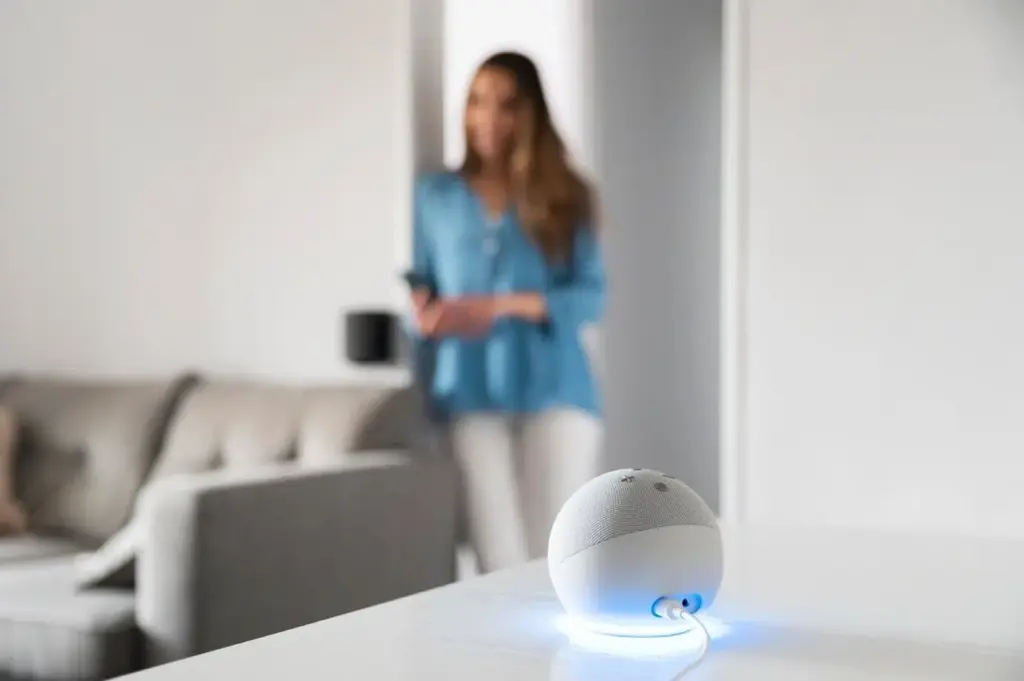
Start with what you have: a voice assistant, a smart plug, perhaps a few bulbs. Then add simple sensors, buttons, or NFC stickers to anchor routines. Whether you prefer Home Assistant, Alexa, Google Home, or Apple Home, keep privacy, reliability, and ease of use front of mind. Favor devices that give immediate feedback kids can understand, minimize complex troubleshooting, and support routines that survive busy schedules and occasional Wi‑Fi hiccups.

Cooperative Quests with Visible Progress

Create quests like Ready the Kitchen Before Sunset or Hallway Hero Cleanup. Divide each quest into small steps with corresponding triggers: wipe counters, load dishes, recycle, sweep entryway. A progress ring on a tablet fills as tasks complete, while a shared sound celebrates each contribution. Kids feel helpful even with small actions, and parents see momentum building. The focus shifts from who did more to how quickly and kindly the group reached done together.

Dynamic Difficulty and Timeboxing

Scale challenges to the day’s energy. Short sprints for tired evenings, longer adventures for weekends. Set timers that encourage focus without pressure, and offer optional bonus steps for motivated helpers. If a task stalls, a soft prompt suggests swapping roles or asking a teammate to assist. Difficulty can also adapt seasonally—lighter in exam weeks, heavier during breaks—keeping the experience humane, sustainable, and respectful of real-life rhythms families navigate daily.

Laundry Lightning Round

A cheerful voice invites everyone to grab laundry from rooms while a five-minute upbeat playlist plays. NFC tags on baskets confirm returns to the laundry zone. Green light means sorting complete; blue signals folding. Toddlers match socks, older siblings fold shirts, parents handle hangers. A final celebratory tune closes the round, then a quiet prompt asks for high-fives and a quick check that everything reaches drawers before the bedtime wind-down begins.

Breakfast Squad

A sunrise bulb warms the kitchen as a friendly announcement assigns roles: table setup, fruit rinse, utensil check, and quick counter wipe. A button near the fridge starts a three-minute soundtrack. Subtle chimes mark progress; a gold sparkle sound signals completion. Kids tap a sticker to log tasks and vote on tomorrow’s breakfast idea. The shared routine turns sleepy mornings into confident starts, building independence and cheerful momentum for the day ahead.

Kindness, Safety, and Privacy First

Technology should support dignity and trust. Keep announcements respectful, never shaming. Place devices safely, use childproof outlets, and confirm that routines stop instantly if something seems unsafe. Choose platforms with strong privacy controls, local processing where possible, and transparent data policies. Offer quiet alternatives for sensitive moments and sensory needs. When systems are kind, predictable, and reversible, kids feel secure experimenting, and adults feel confident that playfulness never compromises wellbeing or autonomy.

Sticking With It and Celebrating Together

Sustainable routines grow from reflection and joy, not rigid rules. Plan small experiments, review what worked, and adjust automations as kids mature and schedules shift. Keep wins visible with simple charts or playful badges. Celebrate cooperation in everyday language—no need for elaborate prizes. Invite relatives to join occasional quests, and share stories with our community. We welcome your comments, ideas, and photos; subscribe for fresh scenarios and thoughtful updates each week.
Mututanukonetitelu
Privacy Overview

This website uses cookies so that we can provide you with the best user experience possible. Cookie information is stored in your browser and performs functions such as recognising you when you return to our website and helping our team to understand which sections of the website you find most interesting and useful.