
Motivation That Powers Down: Smarter Rewards for Greener Homes
Today we explore designing reward systems for energy-saving behaviors in smart homes, turning everyday decisions into satisfying progress. You will see how psychology, sensors, and partnerships combine to make conservation effortless, fair, and even fun. We will share practical patterns, pitfalls, and small experiments you can try tonight. Tell us what motivates your household, and subscribe to follow real pilots, stories, and results.
Behavioral Foundations That Make Conservation Stick
Lasting change begins with understanding how habits form, why goals matter, and where friction sneaks in. Drawing on habit loops, self-determination, and social proof, we map incentives to natural routines rather than forcing willpower. The result is progress that feels earned, not imposed, building confidence, autonomy, and belonging across every socket, switch, and schedule in your home.
Habits, Triggers, and Tiny Wins
Start with one reliable cue, one tiny action, and one immediate acknowledgment. When the hallway light turns off automatically after a minute, a soft glow on the thermostat whispers well done. A family in Porto reported this small signal helped children proudly notice savings and volunteer new ideas.
Intrinsic and Extrinsic Motivation at Home
Rewards should amplify meaning, not replace it. Tie points to stewardship narratives, comfort, or shared goals, while keeping autonomy intact. A Boston couple framed weekly energy quests around hosting cozy dinners, then used earned perks for ingredients, turning conservation into hospitality rather than restriction.

From Raw Wattage to Actionable Moments
Instead of a big number at day’s end, surface precise opportunities: the oven left preheating, the water heater peaking before showers, the EV ready to charge off-peak. Pair each moment with one simple action and a visible reward, reinforcing learning through timely, gentle repetition.
Privacy-First Feedback
Aggregate household patterns at the edge, anonymize comparisons, and keep raw events local whenever possible. Rewards should never require exposing intimate routines. Allow opt-out controls, transparent retention policies, and clear explanations. Trust fuels participation, and participation fuels the consistent behaviors that deliver real environmental and financial impact.
Designing Rewards People Actually Want
Meaningful incentives connect to daily life, offering value that feels immediate without undermining intrinsic purpose. Mix tangible perks, recognition, and comfort enhancements. Calibrate effort so early wins are quick, then raise mastery gently. Above all, ensure rewards age gracefully, avoiding fatigue or dependence over months and seasons.
Points, Badges, and Perks That Age Well
Points unlock small, delightful privileges: premium scenes, faster automations, charitable donations, or neighborhood discounts. Badges can narrate a household’s unique journey, celebrating comfort, care, and creativity. Avoid cluttered marketplaces; curate a few meaningful choices, and let families vote on future perks to keep relevance fresh.
Variable Schedules Without Manipulation
Variable reinforcement can sustain interest, yet ethics matter. Publish odds, cap losses, and avoid casino aesthetics. Rotate surprise bonuses tied to community milestones or weather events. When a storm passes, a gratitude bonus can thank participants for preheating wisely and shifting nonessential loads earlier.
Seasonal and Contextual Relevance
Make summer about cooling efficiency, shading, and fan rewards; winter about insulation, preheating, and hot-water timing. Tie incentives to local events, holidays, and time-of-use windows. Relevance increases meaning, reduces cognitive load, and helps households feel the system understands their rhythms and protects comfort first.
Interfaces That Inspire, Not Overwhelm
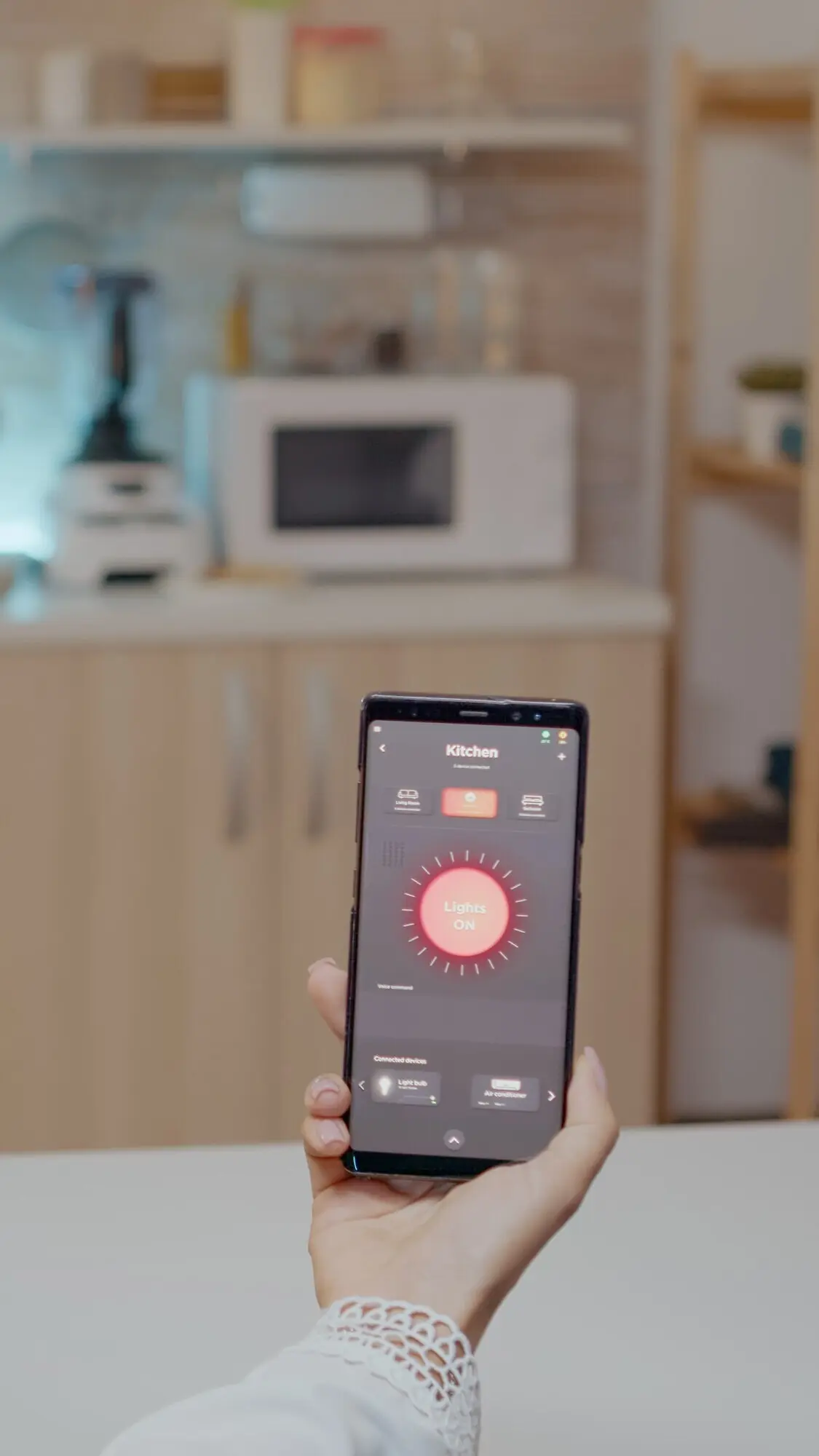
Great interfaces translate data into feelings of progress. Design glanceable cues, generous summaries, and occasional deep dives. Replace scolding red charts with calm comparisons and hopeful trajectories. Celebrate small streaks, visualize impact beyond bills, and let voice assistants share praise at appropriate moments without intruding.
Community Energy Without Unhealthy Competition
People enjoy belonging, but comparisons can bruise. Design cooperative goals for buildings, streets, and clubs, where shared milestones unlock donations or neighborhood improvements. Offer opt-in leaderboards emphasizing personal bests, not raw rank. Encourage storytelling, mentorship, and neighbor tips to humanize outcomes and keep spirits high.
Funding, Partners, and Real-World Value
Align incentives with real savings by partnering with utilities, municipalities, and local businesses. Convert peak-shifting into bill credits, store coupons, or transit passes. Explain the chain of value clearly so households see how their actions relieve grid stress, reduce emissions, and strengthen community services.
Measure, Learn, Iterate
Design is never finished. Test incentives ethically, watch for rebound effects, and listen to households when comfort dips. Combine randomized trials with participatory research. Share results openly, invite criticism, and revise boldly. Progress accelerates when communities co-create solutions and celebrate curiosity as much as kilowatts saved.